

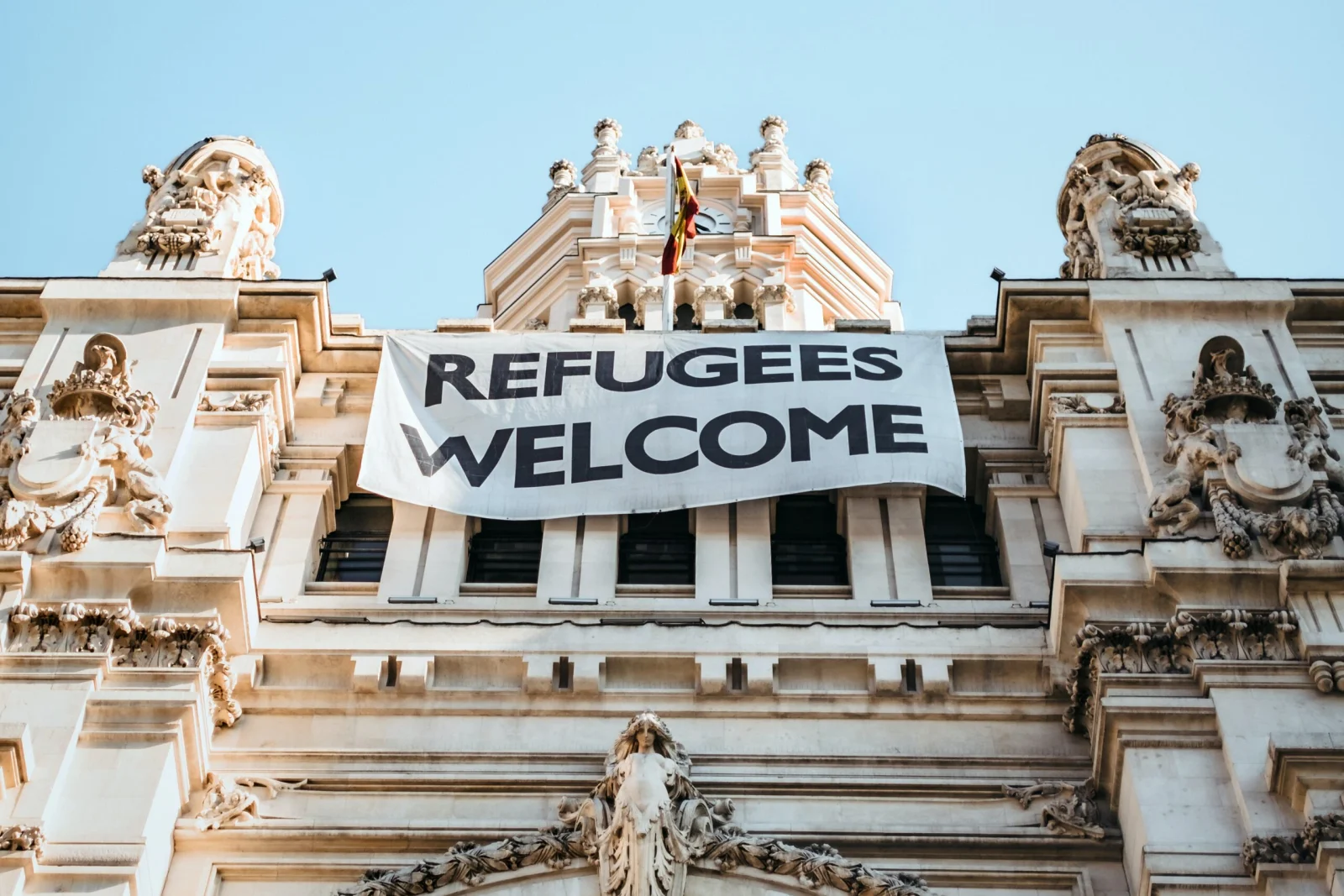
Canada has long been a symbol of hope and safety for refugees and asylum seekers from around the world. Our refugee protection laws, which are among the most generous and progressive anywhere, reflect a deep commitment to protecting and welcoming those in need. In this article, we explore the different parts of Canada's refugee system: who qualifies as a refugee, how the application process works, the rights and obligations that come with refugee status, and the impact the system has on Canadian society. We also look at Canada's response to the challenges refugees face and how our system compares with those of other countries.
Introduction to Canada's Refugee Protection Laws
Canada is renowned for its commitment to protecting the rights and safety of refugees and asylum seekers. Our refugee protection laws, set out in the Immigration and Refugee Protection Act (IRPA) and the Convention Relating to the Status of Refugees, are some of the most progressive in the world. The IRPA establishes the eligibility requirements for refugee protection, the application process, and the rights and obligations of refugees. It also sets out the measures to be taken to protect refugees from persecution and to provide them with the assistance they need to integrate into Canadian society.
At the heart of our refugee system is the principle of non-refoulement, which prohibits returning refugees to countries where they face a risk of persecution. This principle is enshrined in both domestic and international law and is a cornerstone of Canada's refugee policy.
Overview of Canada's Refugee System
Canada's refugee system is designed to protect those who are fleeing persecution and are unable to find safety in their country of origin. It is open to refugees from all countries and is grounded in the principle of non-refoulement.
The system is administered by Immigration, Refugees and Citizenship Canada (IRCC). It is built to ensure that refugees receive the assistance they need to integrate into Canadian society, to protect them from persecution, and to give them the support required to rebuild their lives in Canada.
Beyond providing protection, Canada's refugee system also seeks to promote social integration and economic self-sufficiency. As part of this effort, the government provides refugees with access to language training, job search assistance, and other social and economic support programs.
Who Qualifies as a Refugee in Canada?
Under the IRPA, a refugee is defined as a person who is outside their country of origin and is unable or unwilling to return due to a well-founded fear of persecution based on race, religion, nationality, political opinion, or membership in a particular social group. To be eligible for refugee protection in Canada, an individual must meet all of the eligibility criteria set out in the IRPA.
In addition to meeting the eligibility criteria, applicants must demonstrate that they are genuinely in need of protection and that they do not pose a risk to the security of Canada. The IRPA also requires applicants to show that they have the skills and resources to successfully establish themselves in Canada.
The Refugee Application Process in Canada
The refugee application process begins with the submission of an application for refugee protection. Applications can be submitted online or in person at an IRCC office.
Once the application is submitted, it is reviewed by an immigration officer to determine whether the applicant meets the eligibility criteria for refugee protection. If the application is approved, the applicant is invited to attend an interview with an immigration officer. The interview is designed to verify the information provided in the application and to assess the applicant's eligibility for refugee protection.
The final step is a decision by an immigration officer. If the decision is positive, the applicant is granted refugee protection. If the decision is negative, the applicant can appeal the decision or submit a new application.
Rights and Obligations of Refugees in Canada
Refugees who are granted protection in Canada are eligible for a range of rights and benefits, including the right to live and work in Canada, access to health care and education, and protection from deportation.
At the same time, refugees are subject to certain obligations. These include the obligation to comply with Canadian laws, to report changes in their circumstances, and to provide accurate information when applying for refugee protection.
The Refugee System's Impact on Canadian Society
Canada's generous and progressive refugee system has had a significant impact on Canadian society. It has helped create a more welcoming and diverse country and has contributed to Canada's economic and social development.
The arrival of refugees has helped boost the Canadian economy, creating jobs and stimulating economic growth. The presence of refugees has also strengthened Canada's international reputation as a safe and welcoming country for refugees and asylum seekers.
Canada's Response to Refugee Protection
In response to the challenges refugees face in Canada, the Canadian government has taken a number of steps to help them adjust to life here and become self-sufficient. These include providing language training, employment assistance, and access to social services. The government has also increased funding for settlement services, which give refugees the support they need to integrate into Canadian society.
The government has further taken steps to ensure that refugees have access to legal representation and that their rights are respected.
International Comparisons of Canada's Refugee System
Canada's refugee system is widely regarded as one of the most generous and progressive in the world. Compared with other countries, Canada has higher levels of refugee acceptance and offers more generous benefits and assistance to refugees.
Refugees in Canada are also provided with greater access to education and employment opportunities, as well as legal aid and social services. Canada has a strong tradition of protecting the rights of refugees and providing them with the assistance they need to rebuild their lives.
Conclusion
Canada's refugee system is a beacon of hope for refugees and asylum seekers from around the world. Our generous and progressive laws protect refugees from persecution and provide them with the assistance they need to integrate into Canadian society. At the same time, refugees in Canada face many challenges, ranging from language barriers to cultural isolation. The Canadian government has taken steps to address these challenges, including providing language training, employment assistance, and access to social services. Canada's refugee system is a testament to our commitment to protecting the rights and safety of refugees and asylum seekers. It is a source of hope for those in need and a reminder of our country's commitment to offering safety and security to those who are seeking it.